
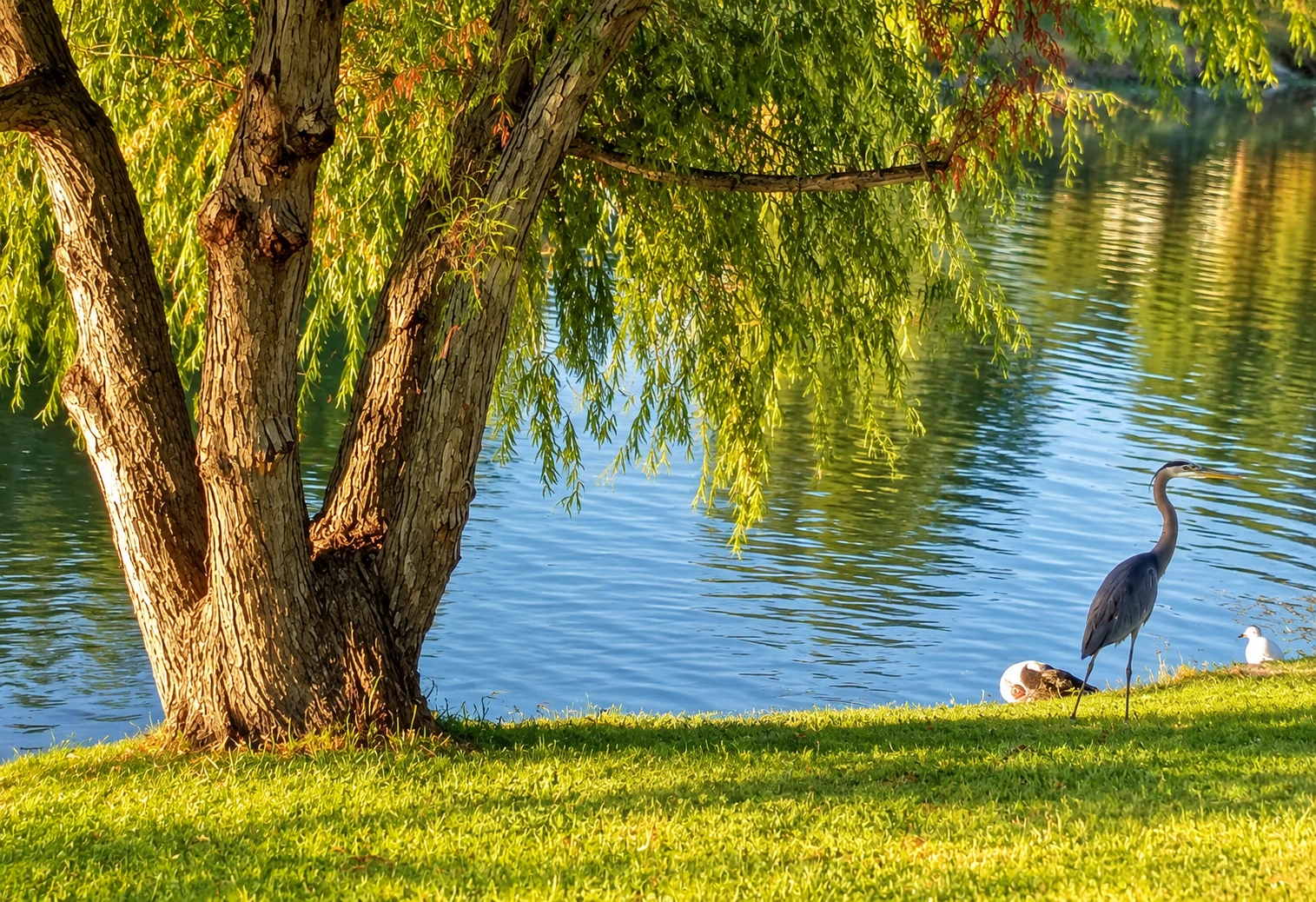
The Fontes Living Library has original studies made by young researchers. This is a different shelf: one historical book with its own contents and one page for each numbered lesson. The Painted Turtle and Bluethroat studies remain their own Living Library entries; they can invite comparisons with Comstock’s lessons.
How to use a living lesson
Read the teacher material beforehand when you can. Then meet a real plant or animal, or attend to a natural event, with your students. Ask just a few of the questions aloud while the subject is before you. Let children notice, compare, and work toward their own answers. The questions are a store of possibilities, not a list to finish in one visit.
Do not supply an answer that observation could reveal. A parent who has not prepared can investigate alongside the child. After the encounter, invite an oral narration or an illustration in a paper nature journal. Only then discuss questions you could not answer by looking. Come back in another season when a question needs time.
Comstock’s original wording is presented as a historical source. Some methods and scientific claims have changed. Observe wildlife from a respectful distance; do not collect, confine, disturb nests, or try an experiment without current safety and local guidance. Never look directly at the Sun.
This introduction summarizes Comstock’s “How to Use this Book”. Each lesson links to the original illustrated volume.
Table of contents
Choose a part, then a numbered lesson. Each page has a short field introduction, the teacher’s reading, and Comstock’s original lesson and questions. The book order follows the original numbering.
Animal life
Lessons 1–116
- IFeathers as Clothing
- IIFeathers as Ornament
- IIIHow Birds Fly
- IVEyes and Ears of Birds
- VThe Beak of a Bird
- VIThe Feet of Birds
- VIIChicken Ways
- VIIIPigeons
- IXThe Canary and the Goldfinch
- XThe Robin
- XIThe Bluebird
- XIIThe Nuthatch
- XIIIThe Chickadee
- XIVThe Downy Woodpecker
- XVThe Sapsucker
- XVIThe Red-headed Woodpecker
- XVIIThe Flicker
- XVIIIThe Meadow-Lark
- XIXThe English Sparrow
- XXThe Chipping Sparrow
- XXIThe Song Sparrow
- XXIIThe Mocking Bird
- XXIIIThe Catbird
- XXIVThe Kingfisher
- XXVThe Screech Owl
- XXVIThe Red-shouldered and Red-tailed Hawks
- XXVIIThe Swallows and Swifts
- XXVIIIThe Hummingbird
- XXIXThe Red-winged Blackbird
- XXXThe Oriole
- XXXIThe Crow
- XXXIIThe Cardinal Grosbeak
- XXXIIIGeese
- XXXIVTurkeys
- XXXVThe Study of Birds’ Nests in Winter
- XXXVIA Study of the Fish
- XXXVIIThe Bullhead, or Horned Pout
- XXXVIIIThe Common Sucker
- XXXIXThe Shiner
- XLThe Brook Trout
- XLIThe Stickleback
- XLIIThe Sunfish
- XLIIIJohnny Darter
- XLIVThe Tadpole Aquarium
- XLVThe Toad
- XLVIThe Tree-frog or Tree-toad
- XLVIIThe Frog
- XLVIIIThe Newt, Eft, or “Salamander”
- XLIXThe Garter, or Garden, Snake
- LThe Milk Snake, or Spotted Adder
- LIThe Water Snake
- LIIThe Turtle
- LIIIThe Cotton-tail Rabbit
- LIVThe Muskrat
- LVThe House Mouse
- LVIThe Woodchuck or Ground-Hog
- LVIIThe Red Squirrel or Chickaree
- LVIIIThe Chipmunk
- LIXThe Bat
- LXThe Skunk
- LXIThe Raccoon
- LXIIThe Fox
- LXIIIDOGS
- LXIVThe Cat
- LXVThe Goat
- LXVIThe Sheep
- LXVIIThe Horse
- LXVIIIThe Cow
- LXIXThe Pig
- LXXThe Black Swallow-Tail Butterfly
- LXXIThe Monarch Butterfly
- LXXIIThe Isabella Tiger-Moth, or Woolly Bear
- LXXIIIThe Cecropia
- LXXIVThe Promethea
- LXXVThe Humming-bird, or Sphinx, Moths
- LXXVIThe Codling Moth
- LXXVIILeaf-miners
- LXXVIIIThe Leaf-rollers
- LXXIXThe Gall-dwellers
- LXXXThe Red-Legged Grasshopper
- LXXXIThe Katydid
- LXXXIIThe Black Cricket
- LXXXIIIThe Cockroach
- LXXXIVHow to Make an Aquarium
- LXXXVThe Dragon-flies and Damsel-flies
- LXXXVIThe Caddis-worms and Caddis-flies
- LXXXVIIThe Aphids, or Plant-lice
- LXXXVIIIThe Ant-Lion
- LXXXIXThe Mother Lace-wing and the Aphis-lion
- XCThe Mosquito
- XCIThe House-fly
- XCIIThe Colorado Potato-beetle
- XCIIIThe Ladybird
- XCIVThe Firefly
- XCVField Observations on Ants
- XCVIHow to Make the Lubbock Ant-nest
- XCVIIThe Ant-Nest, And What May Be Seen Within It
- XCVIIIThe Mud-dauber
- XCIXThe Yellow-jacket
- CThe Leaf-cutter Bee
- CIThe Little Carpenter-bee
- CIIThe Bumblebee
- CIIIThe Honey-bee
- CIVThe Honey-comb
- CVThe Industries of the Hive
- CVIThe Garden Snail
- CVIIThe Earthworm
- CVIIIThe Crayfish
- CIXThe Daddy-Longlegs
- CXCobwebs
- CXIThe Funnel Web
- CXIIThe Orb-web
- CXIIIThe Filmy Dome
- CXIVBallooning Spiders
- CXVThe White Crab-spider
- CXVIThe Nests of Spiders
Plant life
Lessons 117–208
- CXVIIThe Hepatica
- CXVIIIAdder’s Tongue, or Dog-tooth Violet
- CXIXBloodroot
- CXXThe Trillium
- CXXIDutchman’s Breeches and Squirrel Corn
- CXXIIJack-in-the-pulpit
- CXXIIIThe Violet
- CXXIVThe Mandrake
- CXXVThe Bluets
- CXXVIThe Yellow Lady’s Slipper
- CXXVIIThe Buttercup
- CXXVIIIThe Evening Primrose
- CXXIXThe Hedge Bindweed
- CXXXThe Dodder
- CXXXIThe Milkweed
- CXXXIIThe Water Lily
- CXXXIIIPondweed
- CXXXIVThe Cat-tail
- CXXXVA Type Lesson for a Composite Flower
- CXXXVIThe Goldenrod
- CXXXVIIThe Asters
- CXXXVIIIThe White Daisy
- CXXXIXThe Black-Eyed Susan
- CXLThe Common, or Lance-leaved, Thistle
- CXLIThe Burdock
- CXLIIPrickly Lettuce
- CXLIIIThe Dandelion
- CXLIVThe Pearly Everlasting
- CXLVThe Jewelweed, or Touch-me-not
- CXLVIMullein
- CXLVIIThe Teasel
- CXLVIIIQueen Anne’s Lace, or Wild Carrot
- CXLIXOutline for the Study of a Weed
- CLThe Crocus
- CLIDaffodils, Jonquils and Narcissus
- CLIIThe Tulips
- CLIIIThe Pansy
- CLIVThe Bleeding Heart
- CLVThe Poppy
- CLVIThe California Poppy
- CLVIIThe Nasturtium
- CLVIIIThe Bee-larkspur
- CLIXThe Blue Flag or Iris
- CLXThe Sunflower
- CLXIThe Bachelor’s Button
- CLXIISalvia, or Scarlet Sage
- CLXIIIThe Petunia
- CLXIVThe Horseshoe Geranium
- CLXVThe Sweet Pea
- CLXVIThe Clovers
- CLXVIISweet Clover
- CLXVIIIThe White Clover
- CLXIXThe Maize
- CLXXCotton
- CLXXIThe Strawberry
- CLXXIIThe Pumpkin
- CLXXIIIThe Christmas Fern
- CLXXIVThe Bracken
- CLXXVHow A Fern Bud Unfolds
- CLXXVIThe Fruiting of the Fern
- CLXXVIIThe Field Horsetail
- CLXXVIIIThe Hair-Cap Moss
- CLXXIXMushrooms
- CLXXXPuffballs
- CLXXXIBracket Fungi
- CLXXXIIHedgehog Fungi
- CLXXXIIIThe Scarlet Saucer (Sarcocypha coccinea)
- CLXXXIVThe Morels
- CLXXXVThe Stinkhorns
- CLXXXVIMolds
- CLXXXVIIBacteria
- CLXXXVIIITree Study
- CLXXXIXHow to Make Leaf Prints
- CXCThe Sugar Maple
- CXCIThe Elm
- CXCIIThe Oaks
- CXCIIIThe Shagbark
- CXCIVThe Chestnut
- CXCVThe Horse-Chestnut
- CXCVIThe Willows
- CXCVIIThe Cottonwood
- CXCVIIIAsh Trees
- CXCIXThe Apple Tree
- CCHow an Apple Grows
- CCIThe Apple
- CCIIThe Pine
- CCIIIThe Norway Spruce
- CCIVThe Hemlock
- CCVThe Dogwood
- CCVIThe Velvet, or Staghorn, Sumac
- CCVIIThe Witch-Hazel
- CCVIIIThe Mountain Laurel
Earth and sky
Lessons 209–234
- CCIXThe Brook
- CCXHow a Brook Drops Its Load
- CCXICrystal Growth
- CCXIISalt
- CCXIIIHow to Study Minerals
- CCXIVQuartz
- CCXVFeldspar
- CCXVIMica
- CCXVIIGranite
- CCXVIIICalcite, Marble and Limestone
- CCXIXThe Magnet
- CCXXThe Soil
- CCXXIWater Forms
- CCXXIIExperiments to Show Air Pressure
- CCXXIIIThe Barometer
- CCXXIVHow to Read Weather Maps
- CCXXVThe Two Dippers
- CCXXVICassiopeia’s Chair, Cepheus, and the Dragon
- CCXXVIIOrion
- CCXXVIIIAldebaran and the Pleiades
- CCXXIXThe Two Dog Stars
- CCXXXCapella and the Heavenly Twins
- CCXXXIThe Bright Stars of Summer
- CCXXXIIThe Relation of the Sun to the Earth
- CCXXXIIIHow to Make a Sundial
- CCXXXIVThe Moon
Read the source
Project Gutenberg’s complete illustrated edition and the Biodiversity Heritage Library scan remain available. The 1911 work is public domain in the United States. Illustrations shown on lesson pages are loaded from the original Gutenberg edition.